Collection Planning
The success of moving complex antique collections relies on intensive preparation before a transport vehicle ever arrives on site.
The Foundation of Complex Movements
Moving an entire estate, gallery, or private collection requires a completely different logistical approach than relocating modern household goods. Every object is unique, irregularly shaped, and inherently fragile. The foundation of this process is meticulous pre-planning. A lack of preparation inevitably leads to rushed packing, improper sequencing, and increased handling risks.
Inventories and Condition Documentation
A comprehensive collection inventory is the first step. Every item must be logged, assigned a unique identifier, and documented with photographic records. Detailed condition notes should accompany these photographs, establishing a clear baseline before any handling begins. Knowing the exact object dimensions and estimated weight considerations allows logistics coordinators to calculate cubic volume accurately, determining whether a single vehicle or a fleet is required.
This inventory also directly informs packing requirements. By reviewing the list in advance, handlers can pre-fabricate custom crates for the most vulnerable pieces, ensuring that the appropriate shock-absorbing materials and archival wrapping are brought to the site.
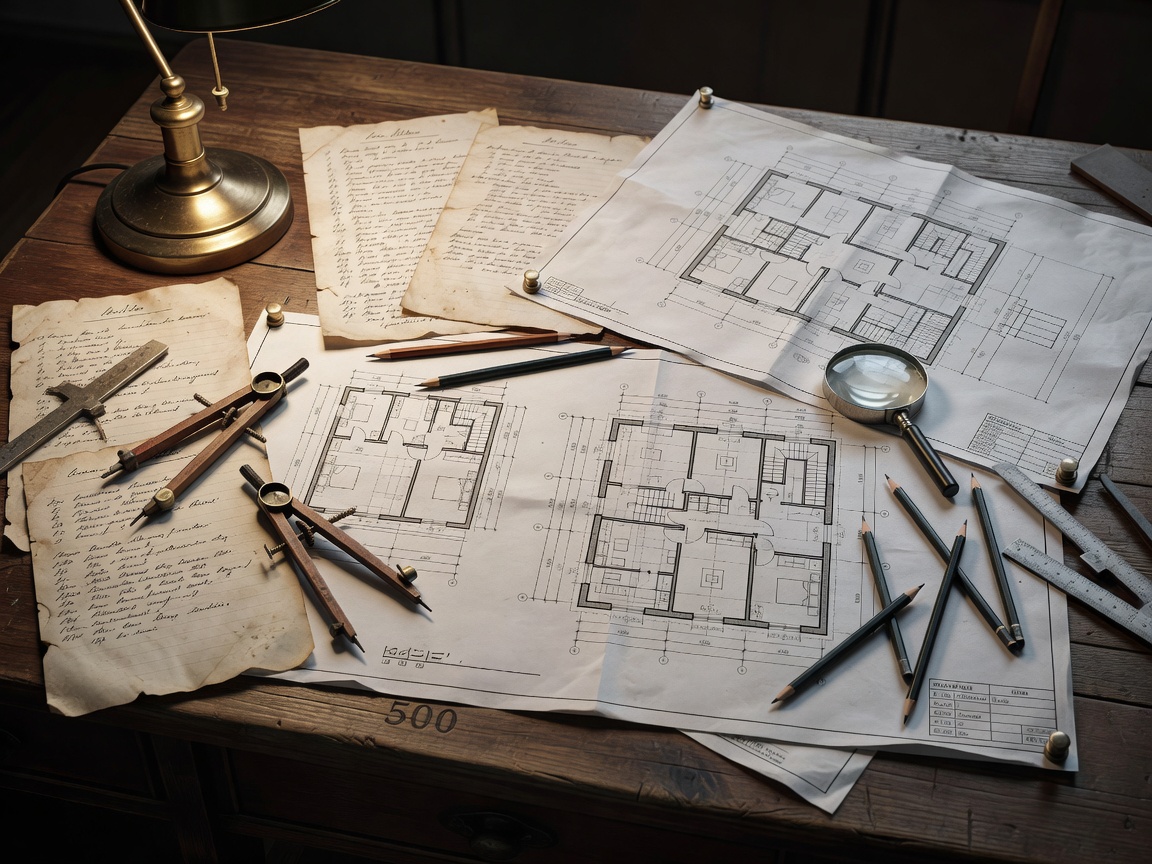 Fig 5. Comprehensive inventories ensure every object is accounted for and packed sequentially.
Access Surveys and Sequencing
Thorough access surveys at both the origin and destination are critical. Surveyors assess door frame widths, staircase angles, elevator capacities, and parking restrictions. If an antique armoire cannot make a required turn on a second-floor landing, this must be known beforehand so alternatives—such as partial disassembly or exterior hoisting—can be arranged.
Once access is understood, pickup sequencing is planned. Items are not loaded randomly; they are packed based on structural weight, fragility, and the order in which they need to be unloaded at the destination. Heavy, robust furniture forms the base of the load, while delicate crated objects are secured safely above or in dedicated bays. Destination preparation mirrors this process, ensuring that rooms are cleared and ready to receive the incoming pieces without causing a bottleneck at the doorway.
Communication and Contingency Planning
A successful movement relies on clear communication between all stakeholders—owners, curators, estate managers, and the logistics team. Delivery scheduling must account for unexpected delays, such as border holdups or severe weather. Robust contingency planning ensures that if a destination is suddenly unavailable, secure short-term storage coordination is already established as a fallback. Careful planning reduces avoidable handling problems and brings predictability to a complex process.
Planning a Collection Move?
Begin the inventory and sequencing discussion with our logistics planners.
Contact Coordination