European Routes & Planning
Moving antiquities between European regions requires careful navigation of urban constraints, cross-border regulations, and complex road networks.
Mastering Cross-Border Transport
Transporting antiques across Europe is not simply a matter of driving from point A to point B. It is an exercise in geographical and logistical precision. While the Schengen area facilitates general movement, high-value cultural objects and antiques often fall under specific national heritage laws. Whether a piece is moving temporarily for an exhibition or permanently transferring to a private estate, understanding the route is paramount.
Route Planning & Delivery Coordination
Every journey requires a detailed route plan. A route that appears fastest on a map may not be the safest for fragile cargo. We consider road surface quality, alpine pass closures, and the necessity of ferry connections when planning transit to regions like the British Isles or Scandinavia. Ferry connections, in particular, require careful coordination to ensure vehicles are loaded securely to withstand maritime motion.
Collection windows and delivery schedules must be meticulously coordinated between sender and recipient. Moving large pieces often requires securing parking permits in advance, especially in densely populated European capitals. Clear communication between all stakeholders prevents the vehicle from arriving at a location without adequate preparation or personnel.
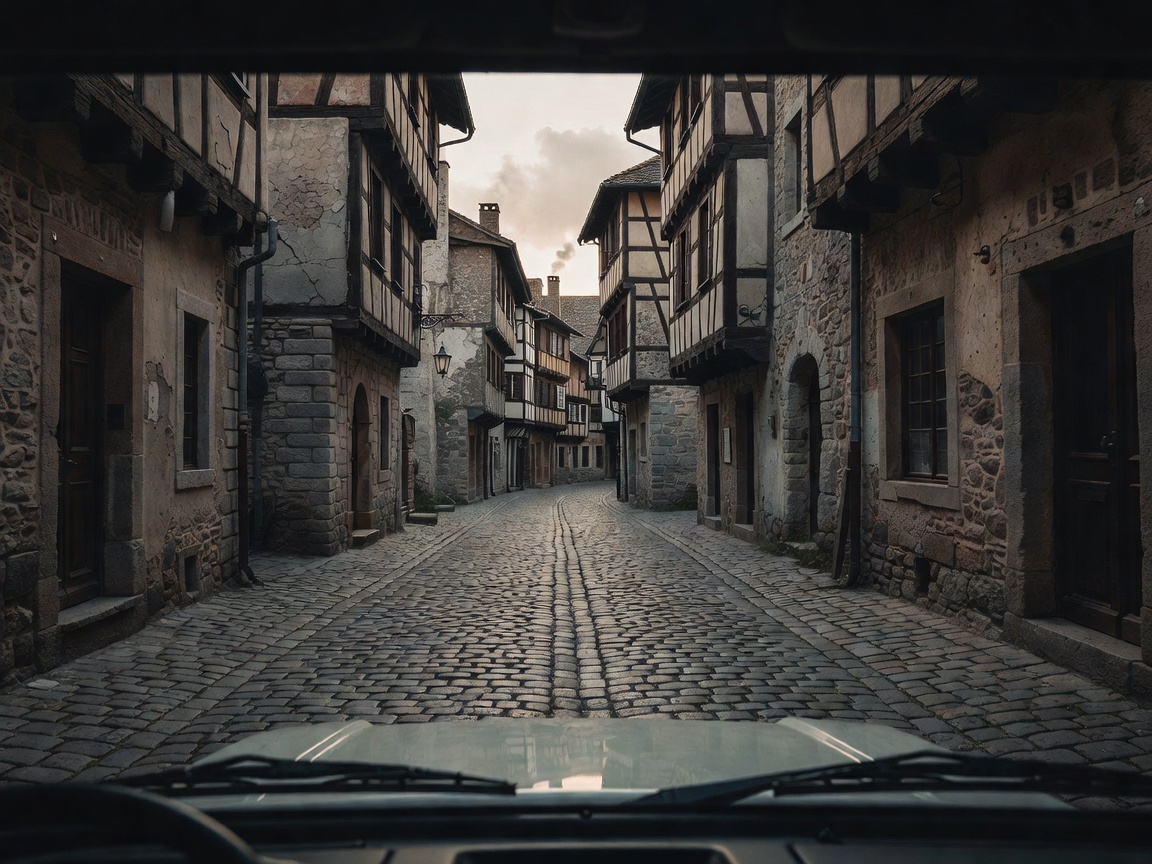 Fig 3. Historic European centers present unique access constraints for transport vehicles.
Urban Delivery Constraints & Historic Buildings
European architecture poses one of the most significant challenges to antique logistics. Historic buildings, narrow cobblestone streets, and strict municipal access restrictions (such as Limited Traffic Zones - ZTL in Italy) dictate what type of vehicle can approach the property. A large articulated lorry cannot navigate the medieval center of a Tuscan village or a narrow Parisian arrondissement.
In these scenarios, transport often relies on a shuttle system: the primary transit vehicle parks at a secure, accessible staging area on the outskirts of the city, and smaller, specialized vans carefully ferry the items to the final address. Inside the properties themselves, historic staircases, lack of modern freight elevators, and delicate flooring require protective measures and precise physical handling strategies.
Customs and Documentation
When routes exit the European Union customs territory, such as transport to the UK or Switzerland, strict customs declarations are required. Antiques usually require proof of age to qualify for specific duty rates, alongside detailed commercial invoices and provenance documentation. Because international regulations change frequently, all senders and recipients must confirm current requirements with relevant customs authorities or qualified brokers before transit begins.
Planning a European Movement?
Discuss your origin, destination, and access constraints with our team.
Contact Coordination