Packing & Protection
Every material reacts differently to transit. We plan surface protection, shock absorption, and custom crating specifically for the object being moved.
Condition Assessment & Surface Protection
The foundation of correct packing is the condition assessment. Before any material touches an antique, the piece must be carefully examined. Is the veneer lifting? Is the gilding flaking? Is the structural glue dry and brittle? Wrapping an unstable object tightly can cause more damage than the journey itself.
Surface protection is the first layer of defense. For wooden furniture with delicate patinas, we avoid standard plastics that can trap moisture or react with antique finishes. Instead, pH-neutral archival tissues, Tyvek, or breathable cotton blankets are layered over the piece. Corner protection is strictly applied using specialized dense foam profiles, ensuring that any incidental bump during handling does not compress the timber.
Custom Crating & Shock Reduction
For highly valuable, fragile, or irregularly shaped items, soft wrapping is insufficient. Custom wooden crating provides a rigid exoskeleton. Crates are measured with precision, allowing enough internal space for shock-absorbing foam to suspend the object safely.
Internal padding is calibrated to the weight and fragility of the object. Heavy marble tops require high-density foam that will not crush under their weight, whereas delicate ceramics or framed pieces require softer, low-density materials to absorb high-frequency road vibrations.
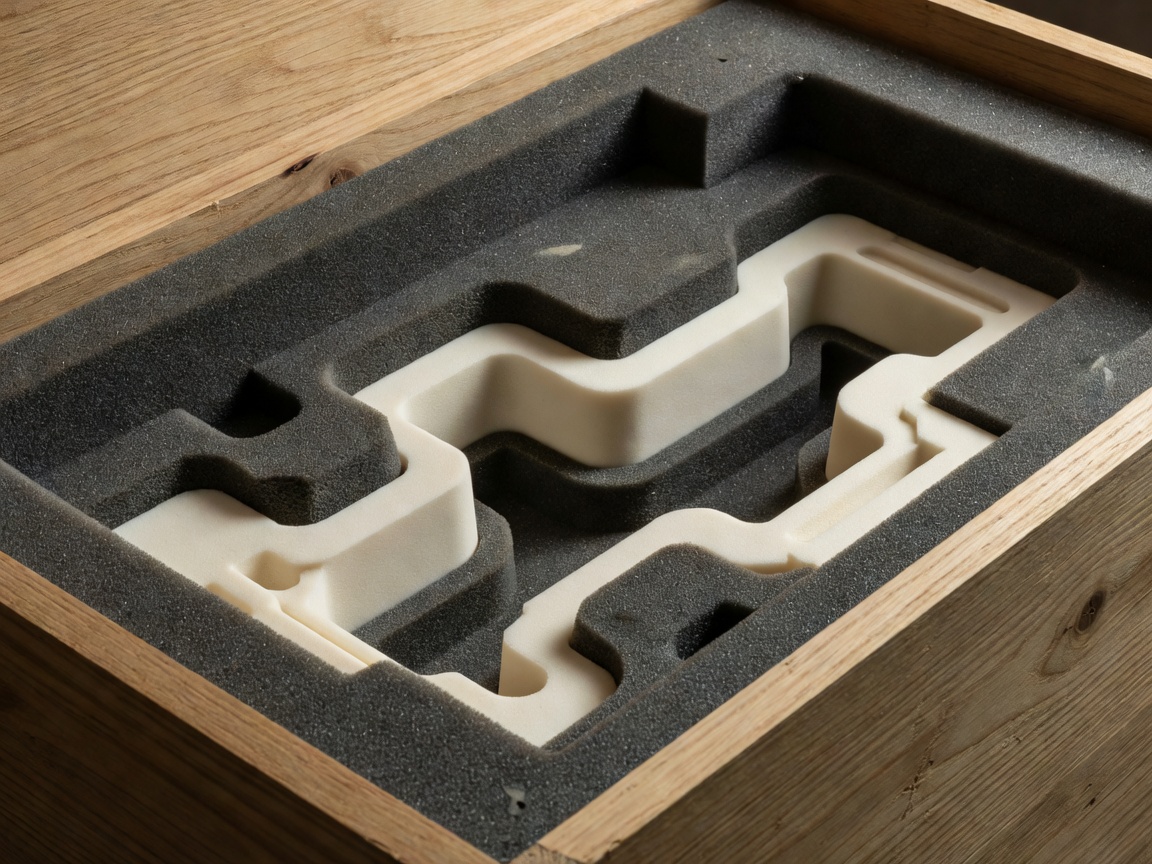 Fig 2. Multi-density internal foam layers absorb different frequencies of road vibration.
Material-Specific Handling Considerations
There is no universal packing method. Different historical objects demand entirely different approaches:
- Wooden Furniture: Requires breathable layers to prevent sweating. Drawers and doors must be secured without using adhesive tapes directly on the finish.
- Ceramics and Glass: Highly susceptible to shock. These require "floating" inside double-boxed systems where the inner box is suspended in shock-absorbing material within the outer crate.
- Mirrors and Framed Art: Glass must be taped with specific low-tack preservation tape to hold shards in place should a fracture occur, and the frame itself must be supported at its strongest structural points, not its decorative edges.
- Metal Objects: Bronze or silver can react to sulfur-heavy packing materials. They require sulfur-free archival wrapping to prevent rapid tarnishing during transit.
Labeling, Unpacking, and Reassembly
How an item is packed dictates how safely it can be unpacked. Clear labeling with handling instructions ("Open This Side", "Lift From Base", "Fragile Finial") is critical for the receiving team. Complex items, such as large dining tables or four-poster beds, often require partial disassembly. When this occurs, rigorous documentation before transit ensures that reassembly at the destination is accurate and safe, without stressing antique joints or losing historic hardware.
Need Custom Packing Advice?
Discuss the specific material requirements for your collection.
Contact Coordination